What Are the Warning Signs Your Furnace Needs Repair is a common concern for homeowners and property managers across metro Atlanta. The most useful response begins with the specific symptoms, the building, and the equipment rather than a universal shortcut. This guide explains what may be happening, which basic checks are reasonable, and when professional HVAC service is the safer next step.
Do not wait for complete heat loss
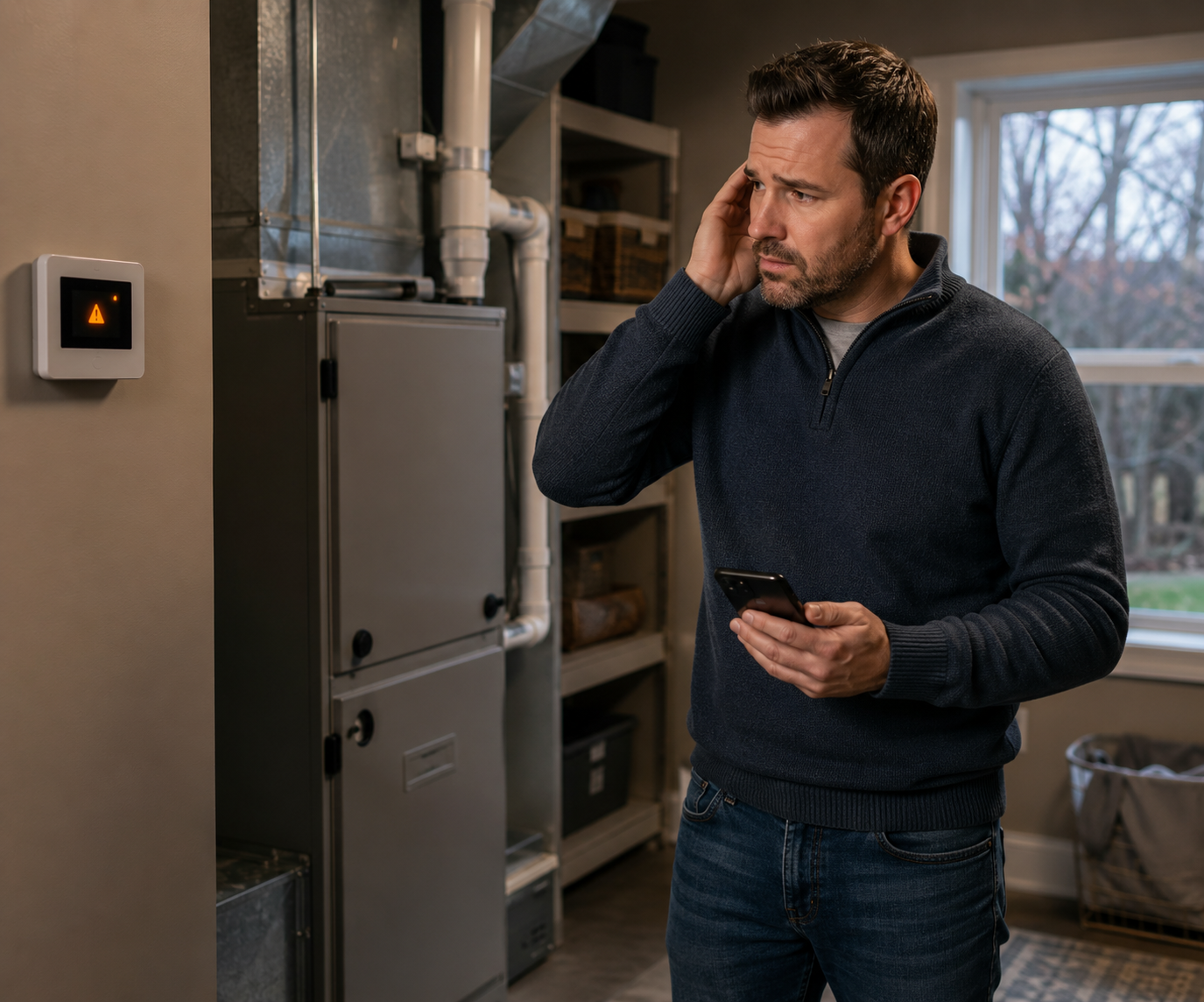
A furnace often gives warning signs before it stops working altogether. Uneven temperatures, reduced airflow, frequent cycling, delayed ignition, new noises, unusual odors, rising energy use, and difficulty reaching the thermostat setting all deserve attention. Atlanta winters are milder than those in northern climates, but cold snaps can still expose a problem quickly, especially when equipment has been idle for months.
Atlanta’s weather can shift quickly, and HVAC advice should be based on the property rather than a generic rule. Equipment age, construction, duct design, occupancy, maintenance history, and comfort expectations all change the right answer. When a symptom persists after basic homeowner checks, measurements from a trained technician are more reliable than replacing parts by trial and error.
Sounds and smells that need attention
A brief dusty smell at the first seasonal startup can occur as settled dust heats, but persistent burning, electrical, gas-like, or exhaust odors should not be ignored. Turn the system off and follow appropriate safety procedures if you suspect gas or combustion products. Banging, scraping, squealing, rattling, or repeated clicking can point to loose parts, motor or belt problems, ignition trouble, or metal movement. A technician should identify the source instead of masking the sound.
Atlanta’s weather can shift quickly, and HVAC advice should be based on the property rather than a generic rule. Equipment age, construction, duct design, occupancy, maintenance history, and comfort expectations all change the right answer. When a symptom persists after basic homeowner checks, measurements from a trained technician are more reliable than replacing parts by trial and error.
Cycling and temperature problems
A furnace that starts and stops repeatedly may have a dirty filter, thermostat issue, airflow restriction, overheating condition, or control problem. Long cycles with weak results may involve heat loss, duct leakage, equipment performance, or an improperly sized system. Check that the thermostat is in Heat mode and that the filter is not clogged, but avoid repeatedly resetting breakers or opening equipment panels.
Before authorizing work, ask for the diagnosis in plain language, the recommended correction, and any alternatives. A reputable contractor should be able to explain what was observed and why the recommendation fits the system. For replacement projects, request the proposed equipment combination, scope of work, warranty information, and any duct, drain, control, or electrical changes that are included.
Safety signs are urgent
A cracked heat exchanger, venting problem, or combustion issue can create serious risk in fuel-burning systems. Carbon monoxide alarms should be installed and maintained according to manufacturer and local safety guidance. If an alarm sounds, occupants feel ill, or you suspect a gas or exhaust problem, leave the area and contact emergency or utility resources as appropriate. HVAC service should follow after immediate safety needs are addressed.
Before authorizing work, ask for the diagnosis in plain language, the recommended correction, and any alternatives. A reputable contractor should be able to explain what was observed and why the recommendation fits the system. For replacement projects, request the proposed equipment combination, scope of work, warranty information, and any duct, drain, control, or electrical changes that are included.
Preventive care before Atlanta’s cold weather
Schedule heating maintenance in fall, before the first cold night creates a rush of service calls. Professional inspection can evaluate ignition, electrical connections, safety controls, airflow, thermostat operation, and combustion or venting components where applicable. If a repair is recommended, ask what failed, whether another condition contributed, and what should be monitored. Air Systems Sales & Service provides heating repair, installation, and maintenance for Atlanta-area homes and businesses.
Regular filter care and professional maintenance support reliable operation, but they should be matched to the building. Check filters more often during heavy use, high pollen, remodeling, or periods with pets and additional occupants. Never bypass a safety control, repeatedly reset a breaker, or keep operating equipment that smells burned, leaks heavily, or makes severe mechanical noises.
Talk with Air Systems Sales & Service
For HVAC installation, repair, or preventive maintenance in the Atlanta area, contact Air Systems Sales & Service or call (770) 377-3234. The family-owned company has served Georgia since 1995 and works with residential and commercial heating and cooling systems.
Stay Comfortable Year-Round
Contact Air Systems Sales & Services, Inc. for expert heating, cooling, and maintenance services that keep your home or business running smoothly!
Why Choose Us

Fast and Efficient Service

25+ Years of Expertise
Lower Energy, Lower Costs
Discover the Difference
Learn more about Air Systems Sales & Services, Inc. and how our trusted HVAC solutions can enhance your comfort and efficiency today!