How Often Should You Schedule HVAC Maintenance in Atlanta is a common concern for homeowners and property managers across metro Atlanta. The most useful response begins with the specific symptoms, the building, and the equipment rather than a universal shortcut. This guide explains what may be happening, which basic checks are reasonable, and when professional HVAC service is the safer next step.
A practical maintenance schedule
Most Atlanta homes benefit from professional HVAC maintenance twice a year: cooling service in spring and heating service in fall. A heat pump works during both seasons and should also be checked before its major cooling and heating workloads. Systems serving commercial buildings may need quarterly visits or a schedule based on operating hours, occupancy, equipment type, and manufacturer requirements.
Before authorizing work, ask for the diagnosis in plain language, the recommended correction, and any alternatives. A reputable contractor should be able to explain what was observed and why the recommendation fits the system. For replacement projects, request the proposed equipment combination, scope of work, warranty information, and any duct, drain, control, or electrical changes that are included.
Why Atlanta’s climate matters
Metro Atlanta systems handle prolonged cooling demand, high humidity, pollen, thunderstorms, and winter temperature swings. Those conditions affect filters, outdoor coils, condensate drains, electrical connections, and overall runtime. A system that appears fine during mild weather may reveal weak performance only when outdoor conditions become demanding. Scheduling maintenance before peak weather gives you time to address concerns without waiting for a breakdown on the hottest or coldest day.
Before authorizing work, ask for the diagnosis in plain language, the recommended correction, and any alternatives. A reputable contractor should be able to explain what was observed and why the recommendation fits the system. For replacement projects, request the proposed equipment combination, scope of work, warranty information, and any duct, drain, control, or electrical changes that are included.
What a useful tune-up should include
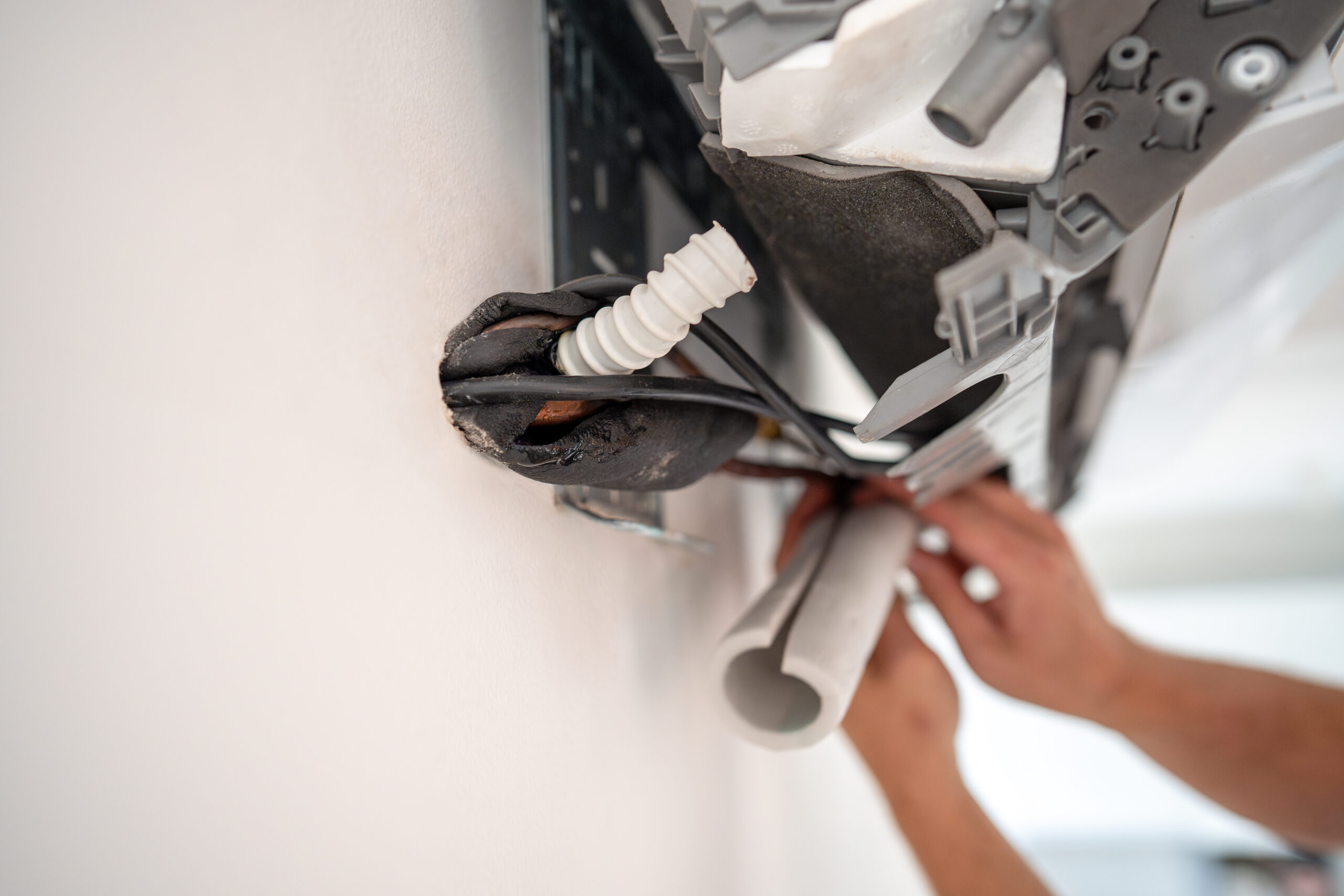
A meaningful visit is more than a quick visual check. Depending on the equipment and season, the technician should inspect and clean accessible components, evaluate airflow, test electrical parts, check thermostat operation, examine the condensate system, review temperature performance, and look for unusual noise or wear. Heating service should include safety and combustion checks when gas equipment is present. Ask what was measured, what was cleaned, and whether any item should be monitored.
Regular filter care and professional maintenance support reliable operation, but they should be matched to the building. Check filters more often during heavy use, high pollen, remodeling, or periods with pets and additional occupants. Never bypass a safety control, repeatedly reset a breaker, or keep operating equipment that smells burned, leaks heavily, or makes severe mechanical noises.
Maintenance tasks between visits
Homeowners can replace or clean the air filter as appropriate, keep return grilles unobstructed, remove vegetation and debris around the outdoor unit, and pay attention to changes in sound, smell, airflow, or cycle length. Check the filter monthly at first, then adjust the replacement schedule based on what you find. Pets, remodeling dust, allergies, high occupancy, and longer equipment runtime can make filters load faster.
Before authorizing work, ask for the diagnosis in plain language, the recommended correction, and any alternatives. A reputable contractor should be able to explain what was observed and why the recommendation fits the system. For replacement projects, request the proposed equipment combination, scope of work, warranty information, and any duct, drain, control, or electrical changes that are included.
The value is consistency, not a guarantee
Preventive care can support efficiency, comfort, reliability, and equipment life, but it does not make a system failure-proof. Its real value is creating regular opportunities to catch drainage problems, failing capacitors, loose connections, dirty components, and airflow restrictions early. Keep maintenance records, especially if warranty coverage requires documented professional service. A consistent history also gives a technician better context when performance changes.
Before authorizing work, ask for the diagnosis in plain language, the recommended correction, and any alternatives. A reputable contractor should be able to explain what was observed and why the recommendation fits the system. For replacement projects, request the proposed equipment combination, scope of work, warranty information, and any duct, drain, control, or electrical changes that are included.
Talk with Air Systems Sales & Service
For HVAC installation, repair, or preventive maintenance in the Atlanta area, contact Air Systems Sales & Service or call (770) 377-3234. The family-owned company has served Georgia since 1995 and works with residential and commercial heating and cooling systems.
Stay Comfortable Year-Round
Contact Air Systems Sales & Services, Inc. for expert heating, cooling, and maintenance services that keep your home or business running smoothly!
Why Choose Us

Fast and Efficient Service

25+ Years of Expertise

Lower Energy, Lower Costs
Discover the Difference
Learn more about Air Systems Sales & Services, Inc. and how our trusted HVAC solutions can enhance your comfort and efficiency today!